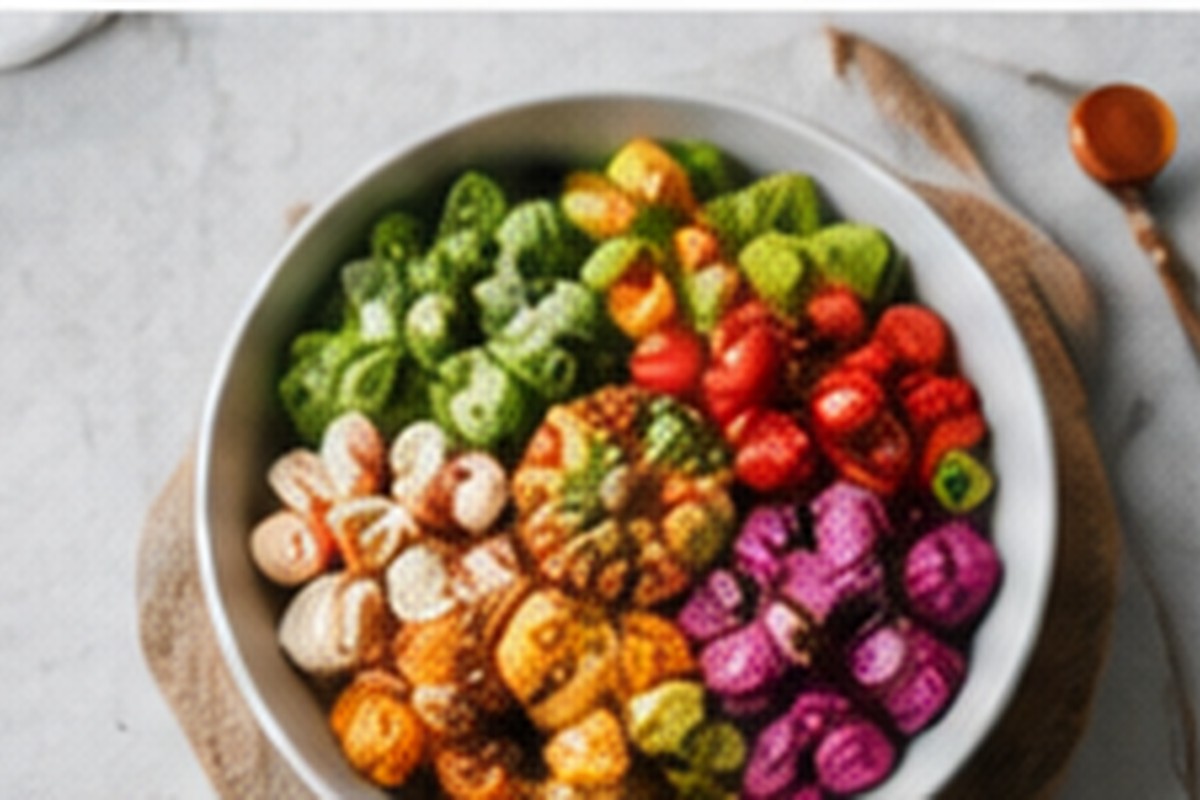
A Simple Formula for Building a Colorful Lunch Bowl
A good lunch bowl is less about a precise recipe than a useful balance of textures. Once you know what each part contributes, you can combine leftovers, pantry staples, and fresh ingredients without ending up with a bowl that feels random.
The easiest formula has five parts: a base, one or two vegetables, a filling element, a sauce, and a finish. None of them needs to be complicated.
Start with a quiet base
Rice, couscous, barley, quinoa, noodles, or even a handful of torn greens can carry the rest of the bowl. The base does not have to be strongly seasoned. In fact, a relatively neutral foundation makes brighter ingredients easier to appreciate.
If you are cooking a grain specifically for lunch, make a little extra. Chilled grains are useful the next day and can be refreshed with a spoonful of warm water, a quick pass in a pan, or simply brought to room temperature.
Add contrast instead of adding more ingredients
Two vegetables with different textures are often more satisfying than five similar ones. Pair something roasted with something raw, or something soft with something crisp. For example:
- roasted squash with sliced cucumber;
- warm mushrooms with shredded cabbage;
- charred peppers with fresh tomatoes;
- steamed broccoli with grated carrot.
Color is useful here because it often signals variety, but the goal is not to build a rainbow for its own sake. Choose ingredients you actually like eating together.
Give the bowl one substantial element
Beans, lentils, eggs, tofu, chicken, fish, cheese, or leftover roast vegetables can make the meal feel complete. Pick one primary filling element rather than scattering several small ones through the bowl.
If the rest of the ingredients are mild, this is a good place for stronger seasoning: toasted spices, pepper, herbs, a little soy sauce, or a squeeze of citrus.
Use sauce to connect everything
A sauce does not need ten ingredients. Yogurt with lemon, tahini loosened with water, olive oil and vinegar, pesto, or a spoonful of hummus thinned with warm water can pull the bowl together. Add less than you think you need, toss lightly, then decide whether it needs more.
Finish with one small contrast: toasted seeds, chopped nuts, herbs, pickles, scallions, or a few crisp breadcrumbs. That final texture often makes the difference between a bowl that feels assembled and one that feels finished.
The formula is intentionally loose. Once you can see the role of each part, lunch becomes easier to improvise and leftovers become ingredients rather than separate problems to solve.